EU CBAM Takes Effect Covering Fasteners, Carbon Cost Becomes Key to Exports
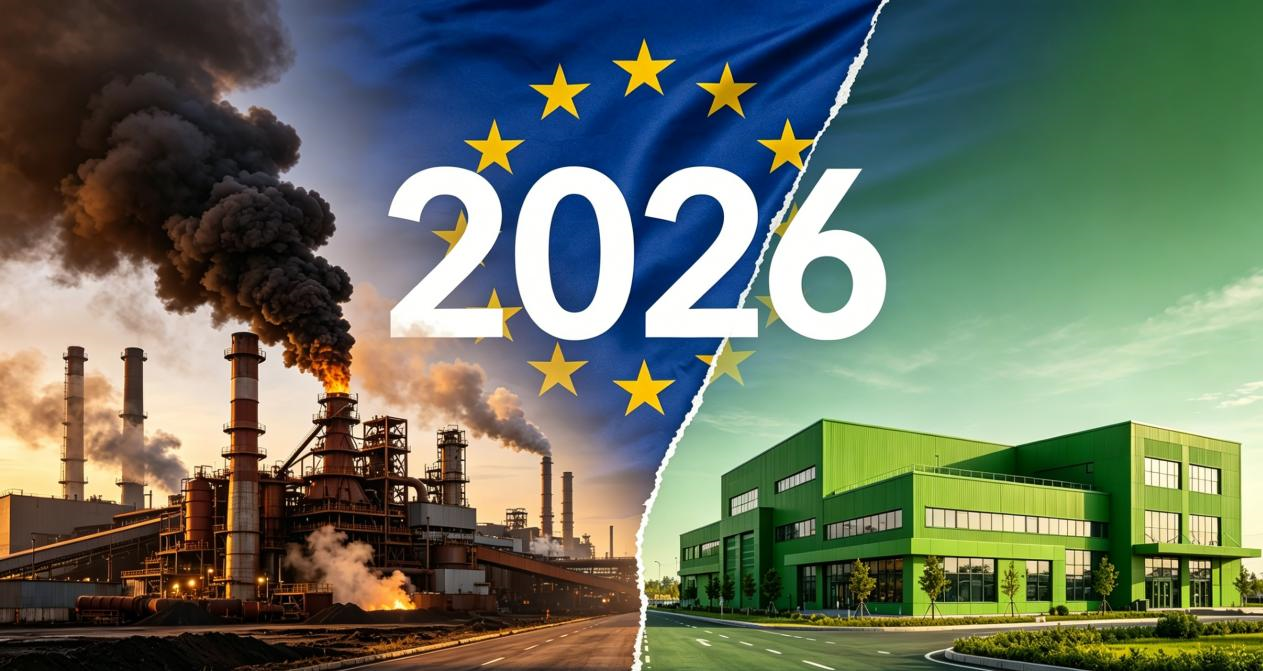
Starting from January 1, 2026, the EU Carbon Border Adjustment Mechanism (CBAM) has exited the transitional period and entered the formal taxation phase. As deep-processed steel products, fasteners are officially covered under supervision. Going forward, every shipment of bolts, nuts and self-tapping screws exported to the European market must come with quality certifications as well as verified carbon emission reports.
Different from conventional fixed tariffs, CBAM is a climate trade policy designed to balance carbon costs and curb carbon leakage. Classified as complex goods among six high-carbon industries including steel, aluminum, cement, fertilizer, power and hydrogen, fasteners calculate embodied carbon emissions covering upstream raw materials such as steel and stainless steel wire rods.
Upstream raw material production accounts for 70% to 90% of the total carbon footprint of fasteners. Manufacturers and exporters cannot effectively cut compliance costs without controlling carbon intensity from steel suppliers. China’s steel industry still mainly adopts traditional iron ore smelting with coke, generating an average carbon emission of 1.8 tons per ton of steel, far exceeding the EU benchmark of 0.8 tons. Chinese fastener exporters will consequently face higher expenditure on CBAM certificates.