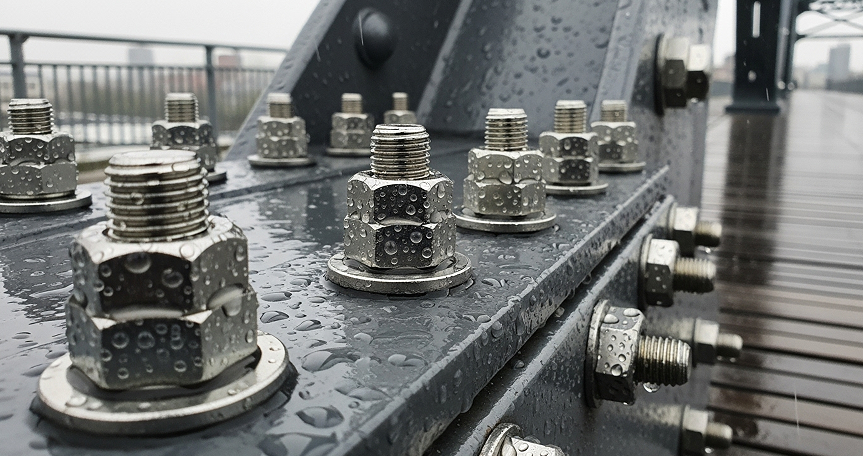
Understanding Stainless Steel's Natural Corrosion Resistance
Stainless steel fasteners maintain their structural integrity outdoors through a self repairing chromium oxide layer that forms when chromium (minimum 10.5%) reacts with atmospheric oxygen. This passive layer acts as an electrochemical shield, reforming quickly after mechanical damage if oxygen is available.
The Science Behind Stainless Steel's Passive Oxide Layer Formation
Research on corrosion resistance shows that how much chromium is present really affects the stability of the protective oxide layer. Stainless steel grades containing around 16 to 18 percent chromium create these protective layers that measure just 1 to 3 nanometers thick. Despite their microscopic size, they manage to cut down corrosion rates by nearly 98% when compared with regular carbon steel. When manufacturers add about 2 to 3 percent molybdenum to the mix, something interesting happens. This addition strengthens the molecular makeup of the passive film that forms on the surface. The result? Better protection against chlorides, which makes all the difference for materials used in harsh environments like saltwater exposure where marine grade alloys need to perform reliably over time.
Corrosion Resistance of 316 Stainless Steel Fasteners in Marine Environments
Studies have found that grade 316 fasteners can handle salt spray testing for about eight times longer compared to their 304 counterparts. When it comes to critical pitting temperature, there's quite a jump from around 20 degrees Celsius for standard 304 steel up to approximately 45 degrees for 316 stainless. This makes all the difference when these materials are used near coastlines where temperatures often reach those levels during hot summer months. Looking at actual corrosion rates in seawater conditions with roughly 3.5% sodium chloride content, we see something remarkable happening too. The 316 material keeps its integrity pretty well with corrosion staying under 0.001 millimeters per year while regular 304 starts showing signs of wear at about ten times that rate, making 316 clearly superior for long term durability in harsh marine settings.
Environmental Factors Affecting Fastener Corrosion: Salt, Humidity, and Pollution
| Factor | Critical Threshold | Effect on 316 Stainless |
|---|---|---|
| Chloride ions | >500 ppm | Initiates pitting corrosion |
| Relative humidity | >60% | Accelerates galvanic reactions |
| SO2 pollution | >0.1 mg/m³ | Forms corrosive sulfuric acid |
High chloride levels, sustained humidity, and industrial pollutants combine to compromise the passive layer, especially in sheltered or poorly ventilated areas.
Comparative Corrosion Resistance of Common Stainless Steel Grades
| Grade | Chromium (%) | Molybdenum (%) | Best Application Environment |
|---|---|---|---|
| 304 | 18–20 | 0 | Indoor/low pollution areas |
| 316 | 16–18 | 2–3 | Marine/coastal zones |
| 316L | 16–18 | 2–3 | Chemical processing plants |
The 316L variant’s lower carbon content (<0.03%) prevents carbide precipitation during welding, making it ideal for fabricated marine and chemical handling components.
Common Types of Corrosion Affecting Outdoor Stainless Steel Fasteners
Understanding Types of Corrosion in Stainless Steel Fasteners: Pitting, Crevice, and Galvanic
Stainless steel fasteners used outdoors face three main types of corrosion problems: pitting, crevices, and galvanic issues. When chloride gets through that protective chromium oxide coating, it creates those annoying little pits. This happens a lot near coastlines where salt levels in the air can get pretty high. Crevice corrosion tends to form in areas where there's not enough oxygen, like underneath bolt heads or inside threaded connections. Then there's galvanic corrosion which becomes a problem when stainless steel touches other metals that aren't as resistant, say aluminum or regular carbon steel, especially if they're sitting in wet conditions.
Crevice Corrosion in Stainless Steel Fasteners: Causes and Vulnerable Conditions
Crevice corrosion tends to get going in those tight spots where water and salt build up over time and there's not enough fresh air getting in. We're talking about places like really snug fittings, around gaskets where they seal things together, down in the threads of screws and bolts. Some studies have found that this kind of corrosion can actually start happening even when there's just a tiny bit of salt mixed in the environment. To fight back against this problem, engineers often try to reduce those narrow spaces between components by using bolts with broader flanges, and make sure there are good ways for any collected moisture to drain away properly from equipment surfaces.
Pitting Corrosion Mechanisms in Coastal and High Humidity Environments
In coastal environments, chloride ions penetrate weak points in the passive layer, forming acidic microenvironments that drive rapid metal loss. Grades like 316L, with 2.1% molybdenum, exhibit three times greater resistance to pitting in salt spray tests (ASTM B117) compared to standard 304 steel.
Galvanic Corrosion When Using Dissimilar Metals With Stainless Steel Fasteners
Galvanic corrosion happens when different metals are connected in environments where electricity can flow through them. For instance, if someone uses stainless steel bolts on parts made of zinc plated steel or copper alloys, the less resistant metal will start breaking down much quicker than normal. This is why many engineers recommend using dielectric isolators crafted from materials like nylon or rubber between these metal components. These isolators act as barriers against the chemical reactions causing corrosion.
Preventing Galvanic and Environmental Corrosion Through Design and Protection
Preventing Galvanic Corrosion When Using Dissimilar Metals in Outdoor Assemblies
Galvanic corrosion can be prevented when stainless steel doesn't come into direct contact with more anodic materials such as aluminum or carbon steel, especially where there's moisture present. The solution? Either switch to compatible metal combinations or implement design workarounds like installing sacrificial anodes or creating physical barriers between dissimilar metals.
Insulation Techniques and Dielectric Unions to Isolate Metal Contact
Nylon washers, dielectric grease, and plastic sleeves act as non conductive barriers that break the electrical connection between different types of metal. When working on equipment outdoors where there's salt air around, it makes sense to install dielectric unions between stainless steel bolts and copper pipes or carbon steel brackets. Keeping the surface area ratio between the anode and cathode at least 10 to 1 helps slow down how quickly corrosion happens.
Use of Coatings and Surface Treatments Like Passivation for Enhanced Protection
The process of passivation basically gets rid of free iron on metal surfaces while building up that protective oxide layer which makes materials much more resistant to those pesky forms of corrosion like pits and cracks. When dealing with really harsh environments, folks often turn to epoxy or powder coatings as extra protection against things like acid rain and all sorts of industrial nasties floating around.
Maintenance Practices for Long Term Durability of Stainless Steel Fasteners
Regular Maintenance and Cleaning to Prevent Buildup of Corrosive Elements
Proper maintenance is essential to preserve corrosion resistance. Studies indicate that 12% of stainless steel fastener failures in coastal areas stem from inadequate cleaning. Recommended practices include:
- Cleaning every 6–12 months with mild soap and water to remove salts and pollutants.
- Avoiding abrasive tools and chlorine based cleaners that damage the passive layer.
For stubborn deposits like industrial grime, a 10% citric acid solution effectively removes contaminants without harming the substrate. Always rinse thoroughly post cleaning to eliminate chemical residues.
| Environment | Cleaning Frequency | Recommended Method |
|---|---|---|
| Coastal | Every 3 months | Freshwater rinse + soft brush |
| Urban/Industrial | Quarterly | Neutral pH cleaner + microfiber cloth |
| General Outdoor | Biannually | Mild detergent spray |
Maintenance of Outdoor Fasteners in High Salt and Industrial Environments
In aggressive environments such as marine or chemical exposed sites, specify 316L stainless steel fasteners and implement proactive measures:
- Apply food grade silicone lubricant to threads to inhibit saltwater ingress.
- Conduct biannual inspections for early signs of crevice corrosion, especially near gaskets or welds.
For offshore installations, electrochemical polishing every 2–3 years restores surface integrity by eliminating micro pitting from chloride exposure. Replace any fasteners showing visible rust or thread galling immediately to prevent structural failure.
Table of Contents
- Understanding Stainless Steel's Natural Corrosion Resistance
-
Common Types of Corrosion Affecting Outdoor Stainless Steel Fasteners
- Understanding Types of Corrosion in Stainless Steel Fasteners: Pitting, Crevice, and Galvanic
- Crevice Corrosion in Stainless Steel Fasteners: Causes and Vulnerable Conditions
- Pitting Corrosion Mechanisms in Coastal and High Humidity Environments
- Galvanic Corrosion When Using Dissimilar Metals With Stainless Steel Fasteners
- Preventing Galvanic and Environmental Corrosion Through Design and Protection
- Maintenance Practices for Long Term Durability of Stainless Steel Fasteners