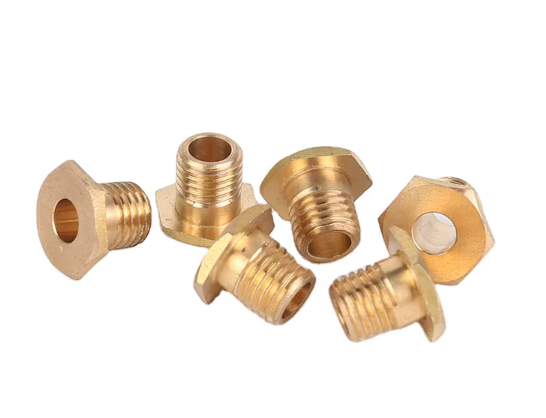
Hex Bolt Strength Grades: Matching Performance to Load Requirements
Metric (ISO 8.8, 10.9, 12.9) vs. Imperial (ASTM A325, A490, Grade 8) Strength Standards
When it comes to industrial applications, picking the right hex bolt strength grade matters a lot for getting those joints just right. The metric ISO grades like 8.8, 10.9, and 12.9 work differently from imperial standards such as ASTM A325, A490, or SAE Grade 8, even though they all aim at similar performance outcomes. Looking at the ISO system first, those grade numbers actually tell us about tensile strength. Take ISO 10.9 as an example it means around 1,040 MPa of tensile strength. On the other side of things, ASTM A325 bolts which are roughly comparable to ISO 8.8 give about 800 MPa tensile strength and are commonly used in structural steel connections. Then there's A490 bolts matching up with ISO 12.9 territory at approximately 1,220 MPa tensile strength these tend to show up where infrastructure reliability is absolutely critical.
| Grade System | Common Grades | Tensile Strength (MPa) | Equivalent Cross-Standard |
|---|---|---|---|
| ISO Metric | 8.8 | 800 | ASTM A325 / SAE Grade 5 |
| 10.9 | 1,040 | SAE Grade 8 | |
| ASTM/SAE | A490 | 1,220 | ISO 12.9 |
Cross-standard compatibility requires careful validation. A 2023 Fastener Quality Council study found improper substitutions caused 17% of joint failures in mixed-standard assemblies. Engineers must consult load calculators to align bolt strength with shear/tension demands—e.g., ISO 10.9 bolts for automotive subframes versus A325 for building columns.
When Higher Strength Isn't Safer: Avoiding Over-Engineering in Static Structural Joints
When hex bolts have higher strength grades, they tend to become more brittle while losing their ability to deform under stress, which can lead to problems in applications where loads remain constant over time. According to various industry reports, ASTM A490 bolts experience around 30 percent more complete failures compared to standard A325 bolts during situations involving sudden heavy loads outside normal operating conditions because these stronger bolts simply cannot bend enough before breaking. The same issue appears with ISO 12.9 grade bolts used for securing machine foundations. These bolts often pass on too much force to nearby parts, causing those components to develop cracks much faster than expected. Choosing the right bolt isn't just about picking the strongest option available. There are actually several important considerations that need to be weighed carefully.
- Load dynamics: Static joints benefit from medium-grade bolts (ISO 8.8/A325), which allow controlled yielding under overload
- Material compatibility: High-strength bolts increase thread-stripping risk in softer mating materials
- Cost efficiency: Grade 12.9 bolts cost 45% more than Grade 8.8 without performance gains in moderate-load environments
- Failure modes: Ductile failure (gradual deformation) proves safer than sudden brittle fracture
Over-specification wastes resources and compromises safety. Structural best practices prioritize joint-specific load analysis over defaulting to maximum strength grades.
Hex Bolt Material Selection for Corrosion Resistance and Environmental Durability
Industrial corrosion costs companies an average of $740k annually (Ponemon 2023). Hex bolt material choice directly prevents structural failures in harsh settings.
Stainless Steel (A2-70, A4-80), Alloy Steel, and Hot-Dip Galvanized Options
Hex bolts made from stainless steel have those handy non-magnetic qualities plus they come with built-in chromium protection. The A2-70 variety, which is basically 304 grade stainless, holds up pretty well when exposed to regular air conditions. Then there's the A4-80 type (commonly called 316 grade) that throws in some molybdenum content, making it much better suited for harsh places like saltwater areas or chemical processing plants where chlorides are a concern. For situations needing serious strength, alloy steel bolts do the job but need some sort of coating to protect them from rust. Hot dip galvanizing creates this nice zinc iron shield that really blocks out moisture. Tests show HDG actually beats out electroplating methods when it comes to resisting corrosion over time.
Application-Specific Compatibility: Marine, Oil & Gas, and High-Vibration Industrial Settings
Match materials to operating stresses:
- Marine infrastructure: Specify A4-80 stainless steel hex bolts to withstand saltwater pitting
- Oil refineries: Combine alloy steel cores with hot-dip galvanization for H₂S resistance
- High-vibration machinery: Use serrated flange hex bolts with nylon inserts to prevent loosening in conveyor systems
Coastal installations show 3× longer service life with correctly specified bolt materials.
Critical Dimensional and Threading Considerations for Hex Bolt Reliability
Diameter, Length, and Thread Engagement: Sizing Hex Bolts for Machinery and Structural Frames (M6–M48)
Getting the right size bolts matters a lot when it comes to preventing joint failures in industrial settings. When working on structural frames, matching the hex bolt diameter to what the load actually needs is critical. Take for example M12 bolts which generally can take about 50% more shear load compared to their smaller M8 counterparts in steel connections. The thread engagement length needs to be at least 1.5 times the bolt diameter so the stress gets distributed properly across the connection. And don't forget that there should be around 2 to 3 full threads sticking out past the nut too. In machinery assembly work, going too small with bolts below M6 often leads to problems with fatigue failure especially when vibrations are involved. On the flip side, using bolts larger than M24 just ends up costing more money without any real benefit to performance. A good practice is checking those hole specs against ISO 273 standards before installation starts, because nothing slows things down quite like dealing with binding issues once everything's already assembled.
Fully vs. Partially Threaded Hex Bolts: Impact on Shear Load Distribution and Joint Longevity
How threads are set up really matters for how strong the joint stays together. Take those partially threaded hex bolts for instance they put most of their strength against sideways force right where the shaft isn't threaded. Field tests show these can handle about 25 percent more stress when things get pushed sideways in structures. On the flip side, fully threaded bolts let workers adjust tightness as needed for moving parts such as machine bases, but they tend to wear out faster around vibrations. We've seen fatigue issues pop up anywhere between 15 to 20% sooner in places where shaking is constant. When dealing with joints that face harsh chemicals, going with partial threads actually helps cut down on corrosion problems since there's just less metal surface exposed to attack. The bottom line? Match the thread type to what kind of stress it will face. Tension situations usually work best with full threads all the way down, whereas shear forces call for those partial thread designs most engineers swear by.