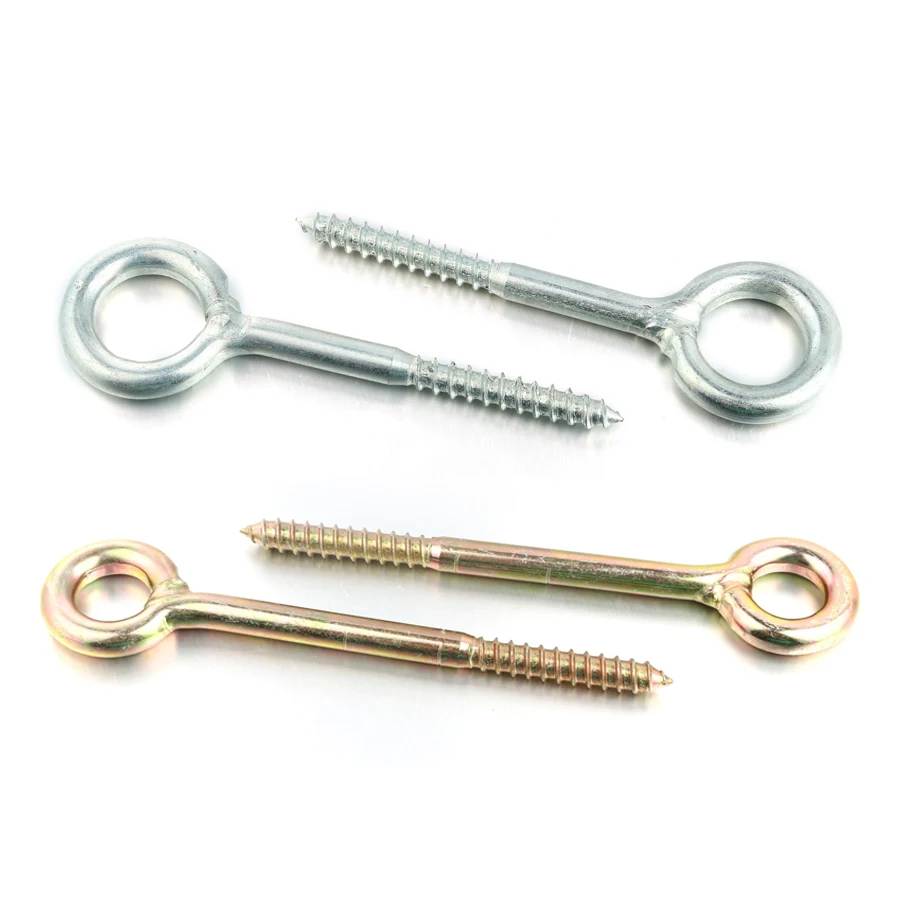
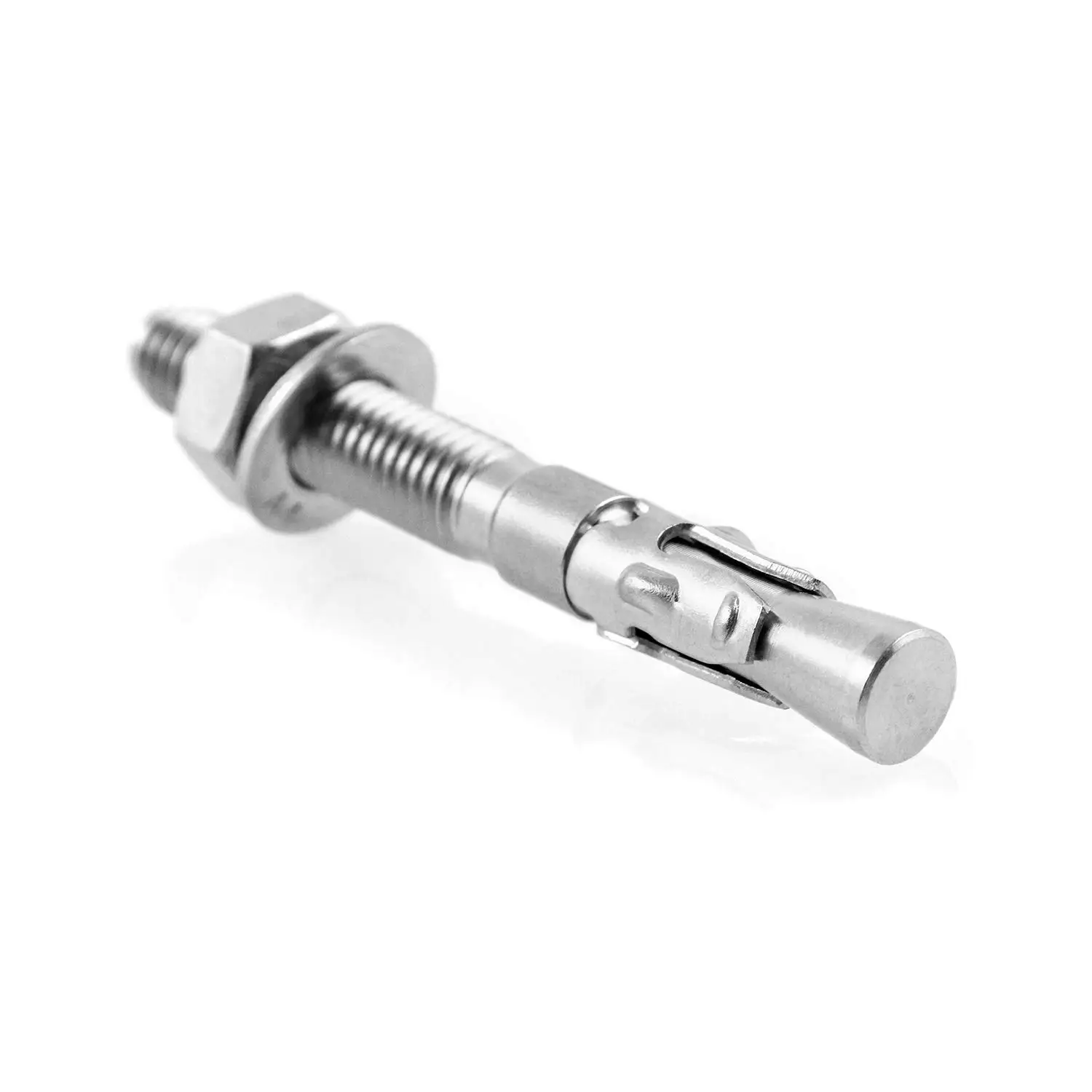
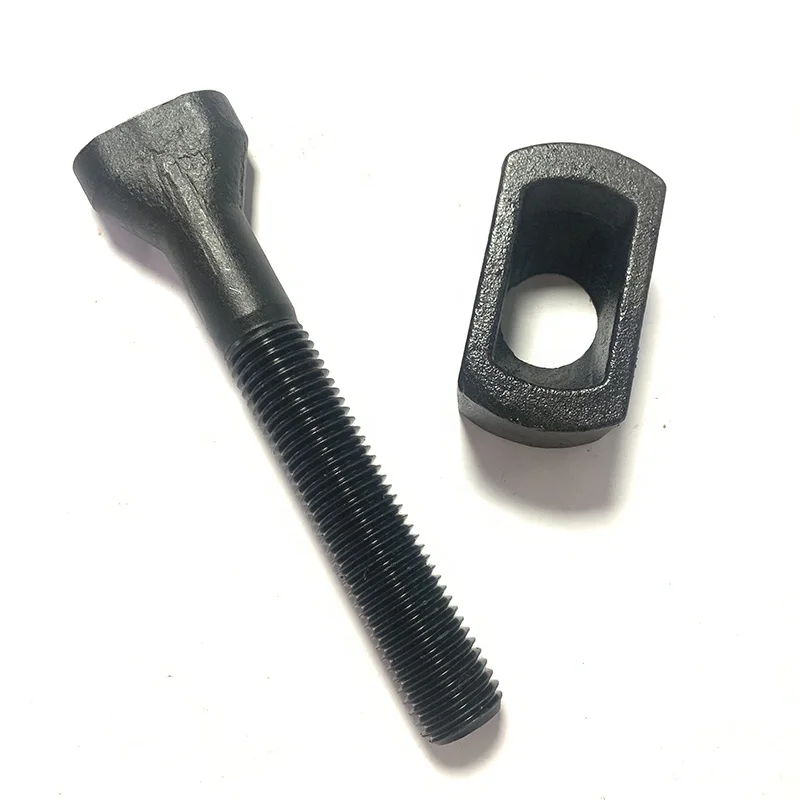
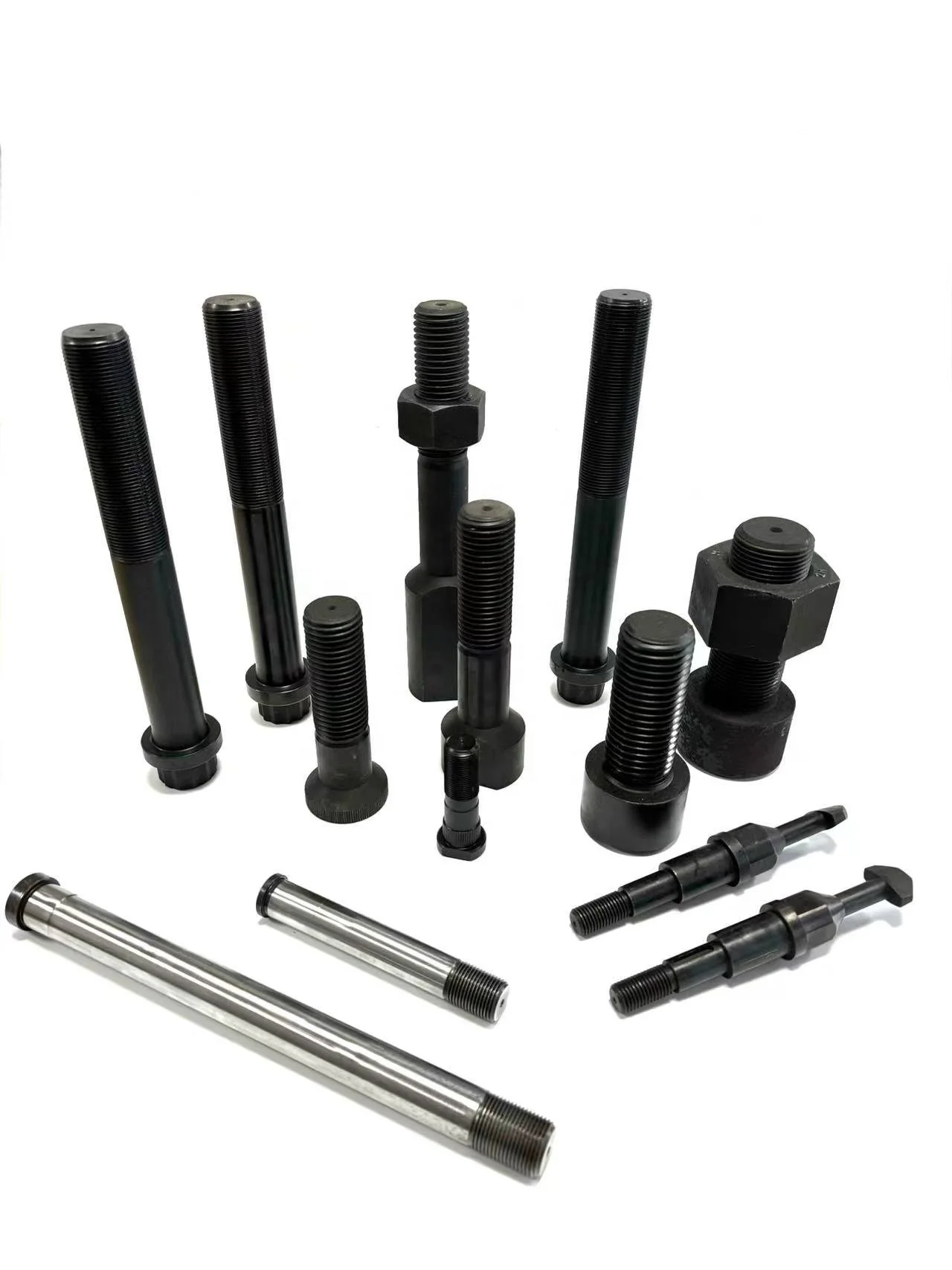
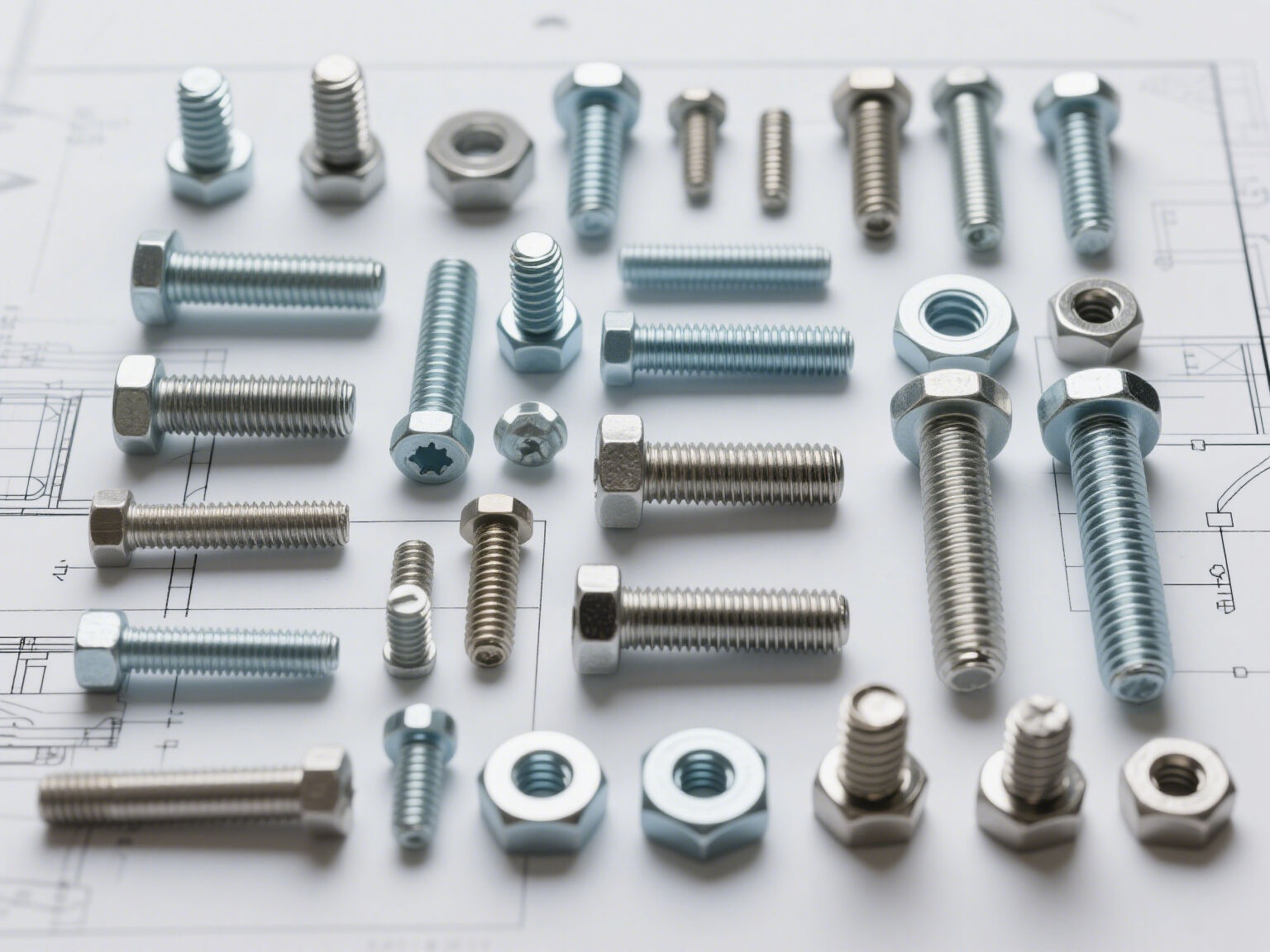
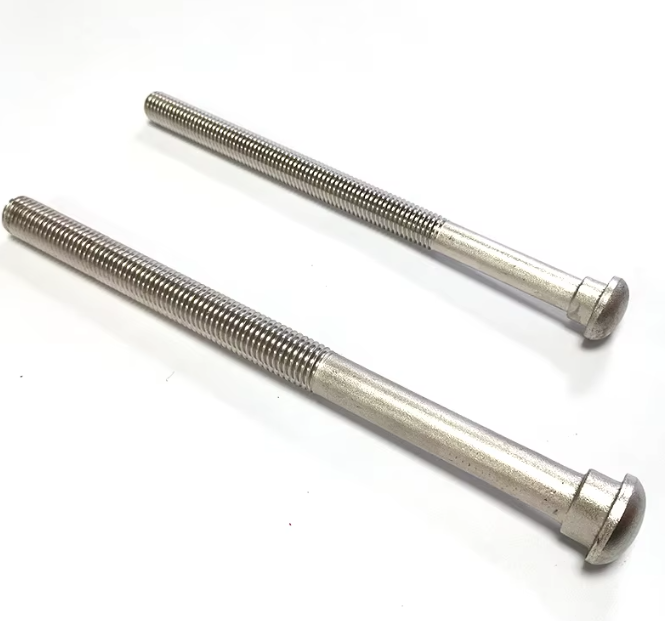
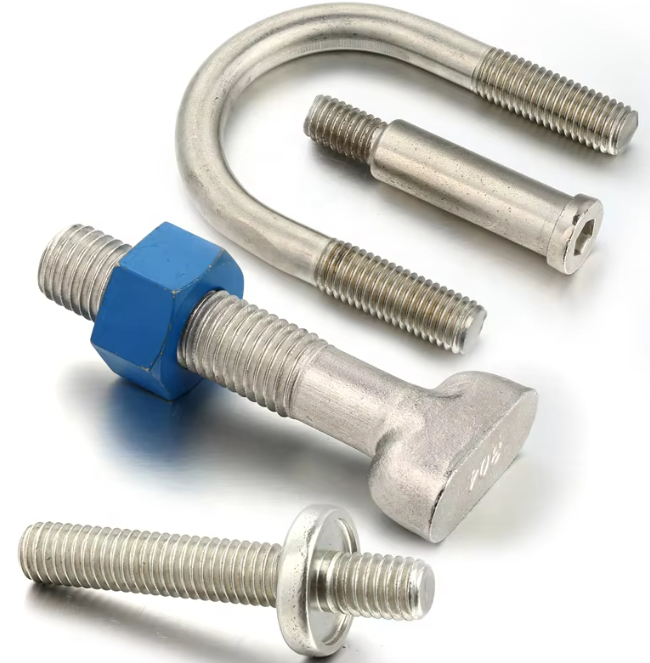
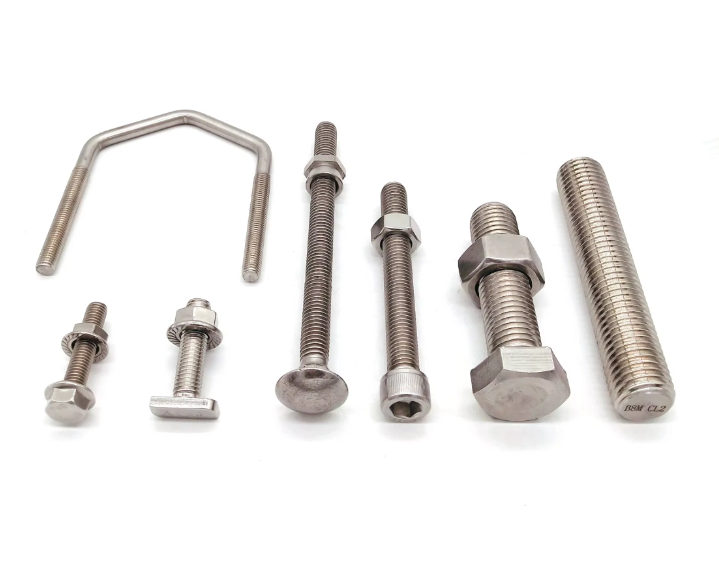
The selection of a Steel Fastener is a fundamental engineering decision that directly impacts the safety, longevity, and performance of any assembled structure or machine. Far from being a generic commodity, steel fasteners encompass a vast family of materials, each with distinct properties tailored to specific mechanical and environmental demands. At Gonuo Hardware, our expertise is rooted in navigating this complex material spectrum, providing clients with not just a fastener, but a critically engineered component that ensures the integrity of their applications across diverse sectors such as heavy machinery, construction, automotive, and industrial equipment.
The most common starting point is carbon steel, prized for its excellent strength-to-cost ratio and versatility. Through controlled heat treatment processes, carbon steel fasteners can be produced to various property classes (e.g., Grade 4.8, 8.8, 10.9, and 12.9 according to ISO standards), offering a wide range of tensile and yield strengths to suit different load-bearing requirements. These fasteners are the workhorses of general industry, construction, and non-corrosive indoor environments. However, when applications involve higher dynamic stresses, impact loads, or the need for enhanced toughness, alloy steels enter the equation. By incorporating elements like chromium, molybdenum, or nickel, alloy steel fasteners achieve superior mechanical properties, including higher fatigue strength and better performance at elevated temperatures, making them essential for critical connections in automotive powertrains, mining equipment, and high-stress structural frames.
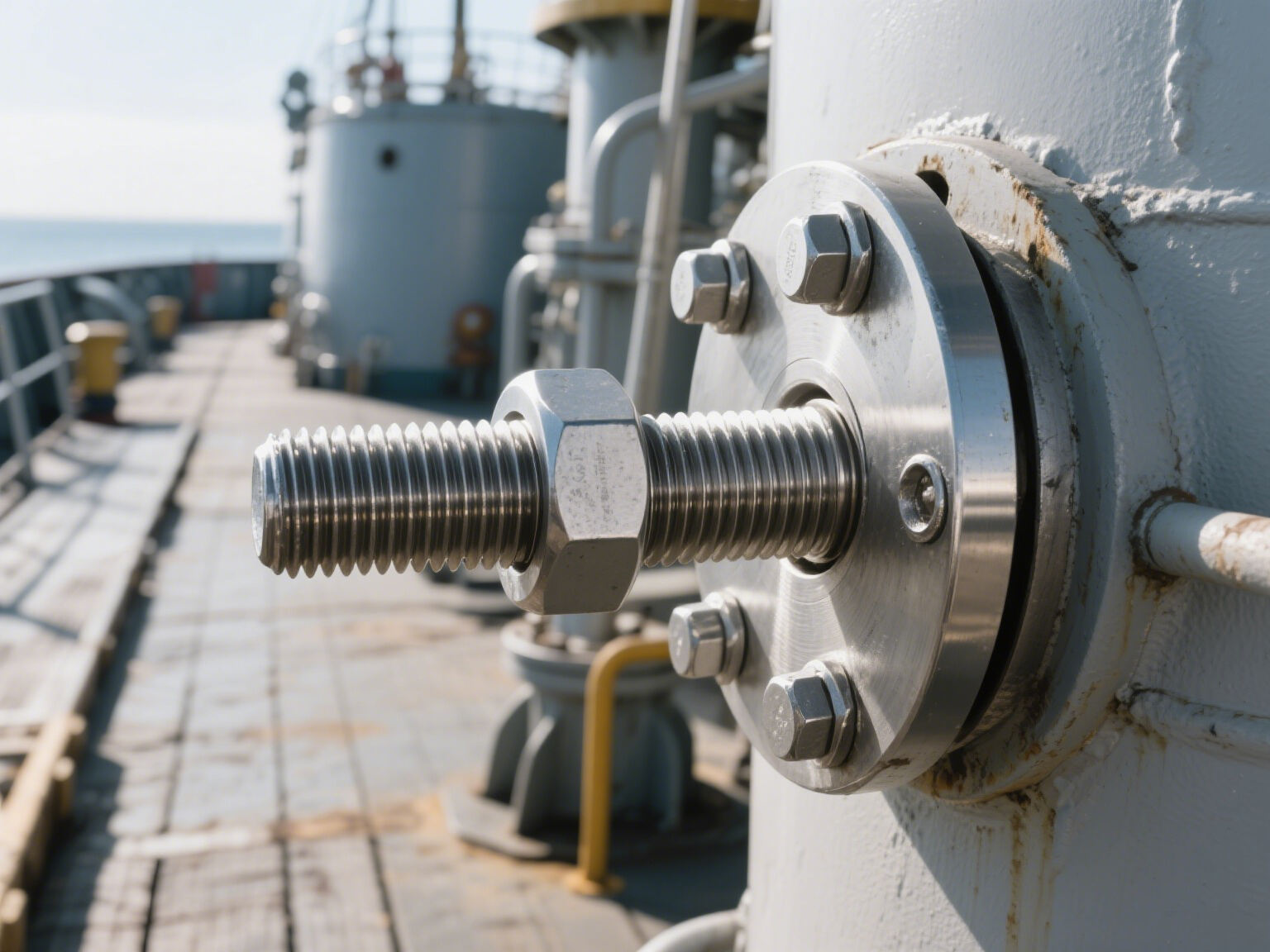
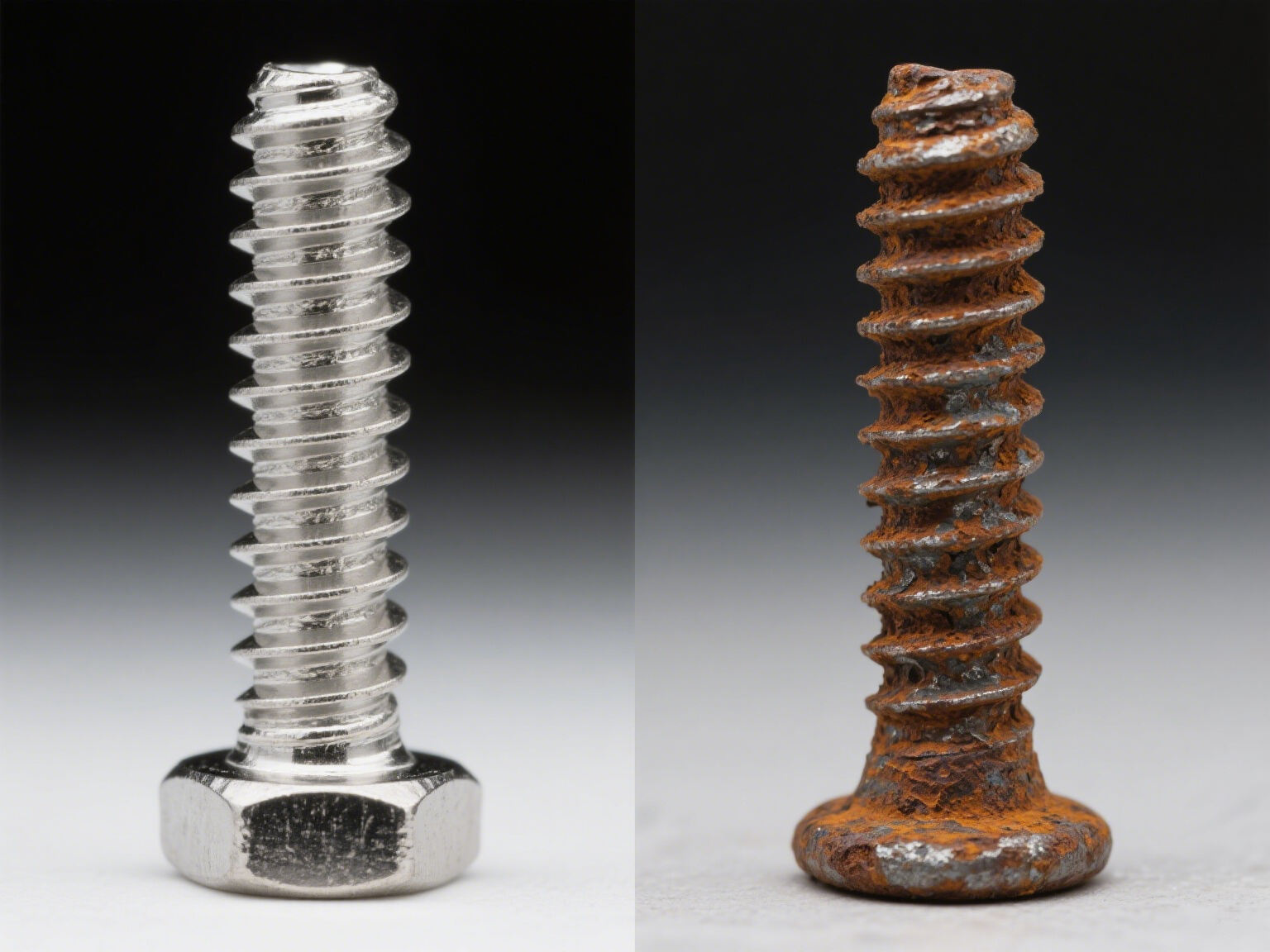
For environments where corrosion resistance is paramount, the stainless steel branch of the Steel Fastener family becomes indispensable. The industry follows a clear material advancement path from general-purpose to highly specialized grades. Austenitic stainless steels like 304 (A2) offer good general corrosion resistance and are widely used for indoor or mildly corrosive settings. For more aggressive environments, such as coastal structures, chemical processing, or marine applications, 316 (A4) stainless steel, with its added molybdenum content, provides significantly enhanced resistance to pitting and crevice corrosion. For the most demanding applications—offshore platforms, high-pressure chemical systems, or submerged structures—duplex stainless steels like 2205 offer a remarkable combination of strength (approximately double the yield strength of 316) and exceptional corrosion resistance. Selecting the correct grade is not merely a material choice but a strategic decision affecting lifecycle cost, maintenance intervals, and operational risk.
The journey from raw material to a reliable fastener involves sophisticated manufacturing prowess. Advanced cold forging (or cold heading) is a preferred method for high-volume production of standard fasteners, as it creates parts with superior grain flow and strength compared to machining. For custom geometries, low-volume runs, or parts requiring extremely tight tolerances, precision CNC machining is essential. At Gonuo, we leverage both methodologies. Our capability includes producing fasteners across a full size range, from miniature screws to large-diameter bolts, with micron-level precision to ensure perfect fit and function. Furthermore, secondary operations and surface treatments—such as zinc or chrome plating for corrosion protection, phosphate coating for paint adhesion and wear resistance, or heat treatment for achieving target strength properties—are integral to fulfilling the final performance criteria.
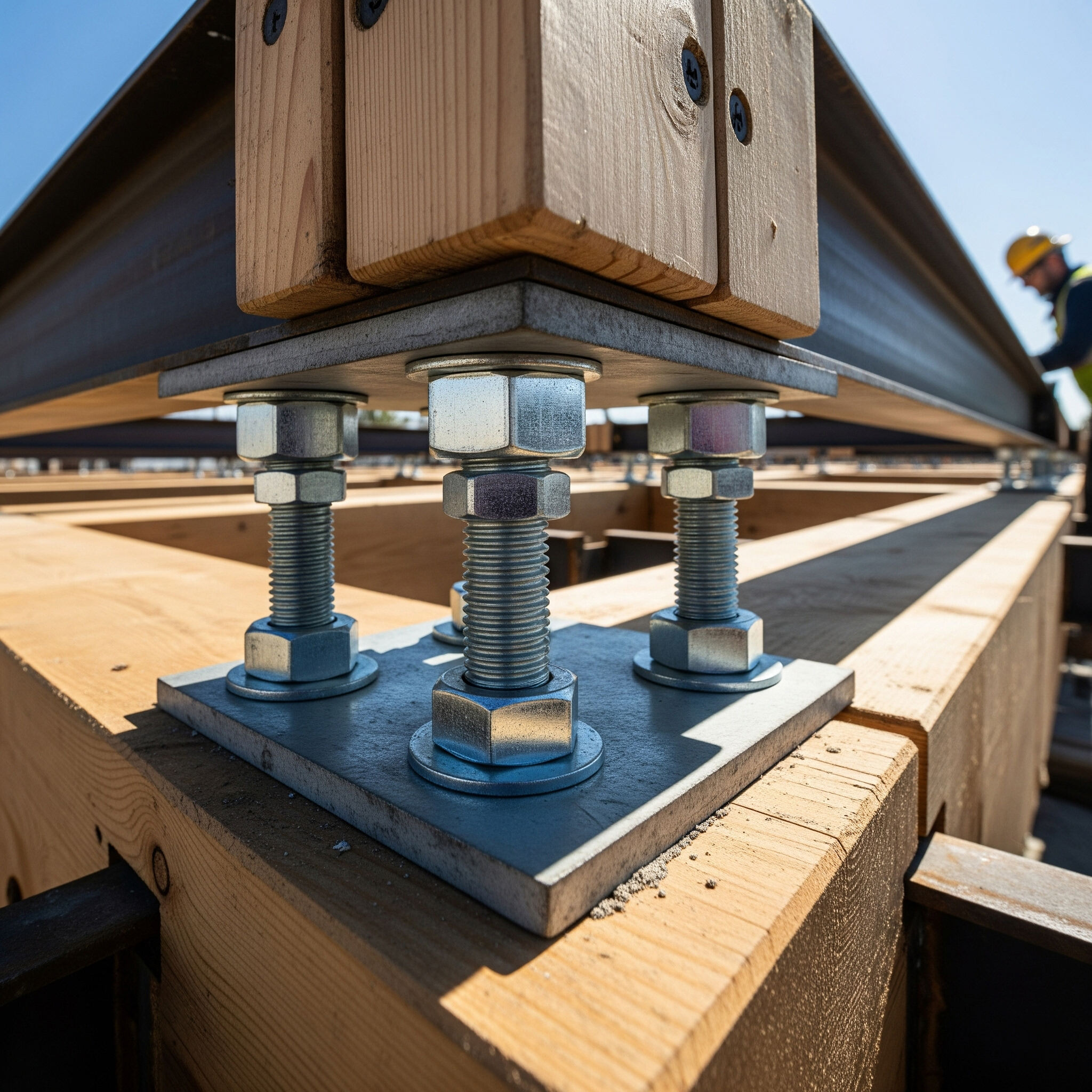
Ultimately, the value of a Steel Fastener is realized in its application. In the construction of a factory's steel framework, high-strength structural bolts (often alloy steel) must maintain clamp force under variable loads. Within an agricultural machine, fasteners must withstand vibration and exposure to the elements, possibly requiring a corrosion-protected carbon steel. For a conveyor system in a food processing plant, 316 stainless steel screws might be mandated for hygiene and wash-down resistance. Understanding these nuanced scenarios is where we excel. Our engineers work as an extension of your team, conducting a thorough analysis of the operational environment, load profiles, and compliance standards to recommend the optimal fastener specification. We then manage the entire production cycle, from prototype validation to full-scale manufacturing and quality certification, ensuring every batch meets the agreed-upon standard. For a detailed consultation and a precise quote on Steel Fasteners engineered for your specific challenge, we invite you to contact our technical sales team with your project parameters.